Stretching is an essential part of maintaining a healthy and active lifestyle. Whether you’re new to exercise or simply looking to improve your flexibility and reduce muscle tension, stretching at home is an accessible and effective way to support your body’s well-being. This beginner’s guide will walk you through the basics of stretching, share tips for success, and introduce easy stretches you can incorporate into your daily routine.
Why Stretching Matters
Stretching helps improve your range of motion, increase blood flow to your muscles, and reduce the risk of injury. It can also alleviate stress and muscle tightness, especially if you spend long hours sitting or working at a desk. By making stretching a regular habit, you can enhance your posture, improve balance, and feel more relaxed throughout the day.
Getting Started: What You Need
One of the best things about stretching at home is that you don’t need any special equipment. Here’s what will help you get started:
– Comfortable clothing: Wear clothes that allow you to move freely.
– A quiet space: Choose a spot where you won’t be interrupted.
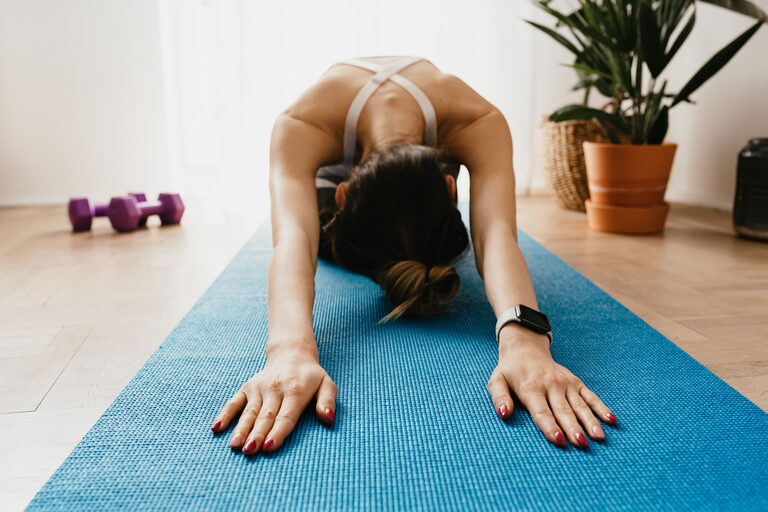
– A yoga mat or soft surface: This isn’t mandatory but can make certain stretches more comfortable.
– Water: Keep hydrated before and after your session.
Important Tips Before You Begin
Warm Up First
Stretching cold muscles can lead to injury. Spend 3–5 minutes warming up with light activity like walking in place or gentle marching to get your blood flowing.
Breathe Deeply
Focus on slow, deep breaths during each stretch to help your muscles relax and to increase oxygen flow.
Don’t Push Too Hard
Stretch to the point of mild tension but never pain. Overstretching can cause strains.
Hold and Repeat
Aim to hold each stretch for 15–30 seconds and repeat 2–3 times, allowing your muscles to gradually lengthen.
Types of Stretching
Understanding the different types of stretching can help you choose what works best for you.
Static Stretching
This involves holding a stretch in one position. It’s great for improving flexibility and is best done after a workout or physical activity.
Dynamic Stretching
Dynamic stretches involve moving through a range of motion repeatedly and are ideal as part of a warm-up routine.
Active Stretching
Holding a stretch using the strength of your muscles without external assistance. It builds strength and flexibility simultaneously.
Passive Stretching
Using an external force such as your hands, a partner, or a prop to hold a stretch.
Beginner-Friendly Stretches to Try at Home
Here are some easy stretches to get you started. Remember to warm up before beginning.
Neck Stretch
– Sit or stand tall.
– Gently tilt your head to one side, bringing your ear toward your shoulder.
– Hold for 20 seconds, feeling the stretch along the side of your neck.
– Repeat on the other side.
Shoulder Stretch
– Extend one arm across your body.
– Use the opposite hand to gently pull the arm closer to your chest.
– Hold for 20-30 seconds, then switch arms.
Chest Opener
– Stand with your feet shoulder-width apart.
– Clasp your hands behind your back and straighten your arms.
– Lift your hands slightly and open your chest.
– Hold for 20 seconds.
Seated Hamstring Stretch
– Sit on the floor with one leg extended.
– Bend the other leg, placing the sole of your foot against your inner thigh.
– Reach toward your toes on the extended leg, keeping your back straight.
– Hold for 20-30 seconds, then switch legs.
Cat-Cow Stretch (Spinal Mobility)
– Begin on hands and knees.
– Inhale as you arch your back, lifting your head and tailbone (Cow pose).
– Exhale as you round your back, tucking your chin and pelvis (Cat pose).
– Repeat for 5-10 rounds.
Quadriceps Stretch
– Stand near a wall or chair for support.
– Bend one knee, bringing your heel toward your buttocks.
– Hold your ankle with your hand, keeping knees close together.
– Hold for 20 seconds, then switch legs.
Creating Your Stretching Routine
Start with a routine that fits your schedule — even 10 minutes a day can make a difference. Here’s a simple format:
- Warm up for 3–5 minutes.
- Perform 5–7 stretches, holding each for 20–30 seconds.
- Focus on major muscle groups: neck, shoulders, chest, back, hips, legs.
- Breathe deeply and move slowly between stretches.
Try to stretch at the same time each day to build consistency. Many people find stretching in the morning helps wake up the body, while an evening routine can aid relaxation.
When to Be Cautious
If you experience sharp pain during stretching, stop immediately. If you have any existing injuries or medical conditions, consult a healthcare professional before starting a new stretching routine.
Benefits You’ll Notice Over Time
– Improved flexibility and range of motion
– Reduced muscle stiffness and soreness
– Enhanced posture and balance
– Lower stress levels and increased relaxation
– Better circulation and energy
Final Thoughts
Stretching at home is a simple habit that offers numerous benefits for your body and mind. By starting with gentle movements and gradually increasing your flexibility, you’ll support your overall health and feel more comfortable in daily activities. Remember, the key to success is consistency and listening to your body.
Happy stretching!
About the Author